Introduction
There are very few kitchen appliances that genuinely change the way people cook at home. Most add one convenient function without really replacing anything already in the cabinet. The Instant Pot Duo 7-in-1, however, belongs to a different category — one that consolidates several distinct cooking methods into a single countertop device and, in doing so, reshapes how meals get planned, prepared, and served on a daily basis.
Since electric pressure cookers made their modern comeback, the Instant Pot brand has become closely associated with the category. The Duo model, in particular, has remained one of the most recognized versions in the lineup — partly because of its broad functionality, and partly because it strikes a balance between capability and approachability that suits a wide range of home cooks. Whether you’re someone who meal preps on weekends, a busy parent trying to get dinner on the table in under an hour, or simply a person who wants to cook more at home without standing over the stove all evening, the Duo 7-in-1 is an appliance designed with those situations in mind.
This article takes a thorough look at the 6-quart Instant Pot Duo — what it does, how it works, who tends to get the most out of it, what its limitations are, and how it compares to other cooking tools and methods. The goal is to give you a clear, honest picture of what this appliance actually is — and whether it makes sense for your kitchen.
What Is the Instant Pot Duo 7-in-1?
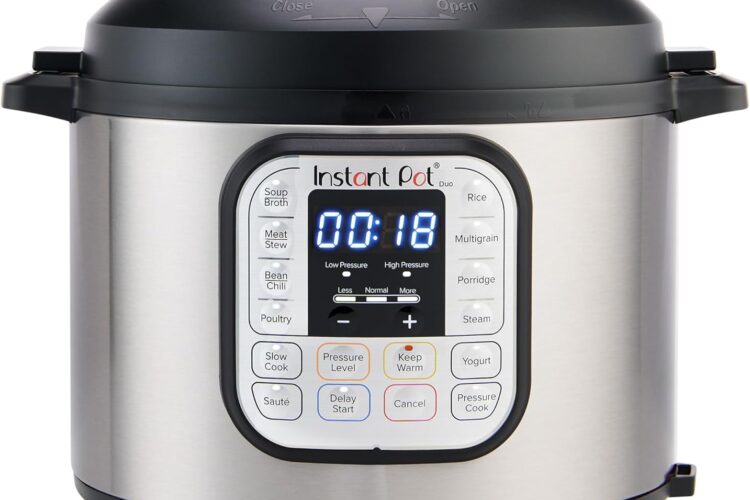
The Instant Pot Duo 7-in-1 is an electric multicooker that combines the functions of seven separate kitchen appliances into one unit. As the name suggests, it serves as a pressure cooker, slow cooker, rice cooker, steamer, sauté pan, yogurt maker, and food warmer — and in certain configurations, a sterilizer as well.
The 6-quart version is the most widely used size in the Duo lineup. It’s large enough to cook meals for four to six people comfortably, yet compact enough to store on a standard kitchen counter or cabinet shelf without dominating the space. The exterior is made from stainless steel, and the inner cooking pot is also stainless steel — a notable feature that distinguishes it from appliances with non-stick coated interiors.
Instant Pot also provides access to an app with over 800 recipes specifically developed for the appliance, which lowers the barrier for new users and provides ongoing inspiration for those who have owned one for a while.
Key Features of the Instant Pot Duo 7-in-1
Pressure Cooking
This is the feature that defines the Instant Pot category and the one most people think of first. Electric pressure cooking uses sealed steam pressure to raise the internal cooking temperature above the normal boiling point of water, which dramatically reduces cooking time for foods that would otherwise take much longer.
A whole chicken that might take 90 minutes in the oven can be done in under 30 minutes under pressure. A pot of dried beans that requires soaking overnight and an hour of stovetop simmering can be ready in about 40 minutes without pre-soaking. Tough cuts of beef — short ribs, chuck roast, brisket — become fork-tender in a fraction of the time a conventional braise would require.
The Duo operates at two pressure levels: high and low. High pressure is used for most proteins, grains, and legumes. Low pressure is better suited for more delicate foods that could easily overcook or fall apart.
Slow Cooking
At the opposite end of the speed spectrum, the Duo also functions as a slow cooker. This setting uses low, steady heat over an extended period — typically four to eight hours — to gently cook dishes that benefit from long, unhurried cooking. Chili, pulled pork, pot roast, soups, and stews all translate well to slow cooking.
For people who prefer to start dinner in the morning and return to a ready meal in the evening, the slow cooker function serves that need directly. It’s worth noting that some longtime slow cooker users find that the Instant Pot’s slow cooker function runs slightly differently from traditional Crock-Pot style cookers, and a small amount of recipe adjustment may be needed when converting conventional slow cooker recipes.
Rice and Grain Cooking
The rice setting on the Duo is designed for white rice specifically, with automated timing that adjusts based on the amount of water and rice in the pot. It consistently produces fluffy, well-cooked white rice without requiring attention. Brown rice and other whole grains can also be prepared, typically using the pressure cook setting with adjusted water ratios and times rather than the dedicated rice button.
Steaming
The steam function, combined with a steam rack that sits inside the pot, allows vegetables, fish, eggs, and other foods to be cooked using moist heat. Hard-boiled eggs — notoriously tricky to peel when boiled on the stovetop — come out of the Instant Pot with shells that slide off almost effortlessly, a discovery that surprises many new users.
The steam function can also be used to reheat leftovers without drying them out, which is a practical secondary use worth noting.
Sauté
The sauté function transforms the Instant Pot into something resembling a large skillet or Dutch oven. It heats the inner pot directly, allowing you to brown meat, soften onions, bloom spices, or reduce sauces — all without transferring food to a separate pan. This is particularly important for pressure cooking recipes that benefit from building flavor through browning before the lid goes on.
Having sauté built in means that many recipes can be completed entirely within the single pot, which simplifies both the cooking process and cleanup afterward.
Yogurt Making
The yogurt function is one of the more unexpected inclusions in the Duo lineup, but it has developed a following among people who enjoy making yogurt at home. The process involves heating milk to a specific temperature, cooling it, adding a starter culture, and then incubating the mixture at a consistent low temperature for several hours. The Instant Pot handles the incubation step automatically, producing plain yogurt that can be strained, flavored, or used as-is.
Homemade yogurt tends to be lower in added sugar than most commercial varieties, and the cost per batch is generally lower than buying yogurt regularly. For the right household, this function adds meaningful value.
Keep Warm and Sterilizer
The keep-warm function activates automatically after most cooking cycles, maintaining food at a safe serving temperature without continuing to cook it. This is useful when meals don’t align perfectly — when family members eat at different times or when a dish finishes cooking earlier than expected.
The sterilizer function, available in certain modes, can be used to sterilize baby bottles, jars for canning, or other items that require sustained high heat.
Stainless Steel Inner Pot
Unlike many competing appliances that use non-stick coated inner pots, the Instant Pot Duo comes with a stainless steel cooking pot. Stainless steel is more durable, does not scratch easily, and does not raise the concerns some people have about non-stick coatings at high temperatures. It is also dishwasher-safe, which simplifies cleanup.
The trade-off is that food is more likely to stick to stainless steel than to non-stick surfaces, particularly when cooking starchy foods like rice or oatmeal without sufficient liquid. A small amount of oil or butter can help with this, and learning which recipes benefit from that step is part of getting comfortable with the appliance.
Companion App with 800+ Recipes
Instant Pot’s companion app provides a library of recipes developed specifically for the appliance, covering breakfast, lunch, dinner, desserts, and everything in between. For new owners who aren’t sure where to start, the app provides a structured entry point. For experienced users, it serves as a source of ongoing inspiration. Recipes are formatted with Instant Pot-specific instructions, which removes the guesswork of translating conventional recipes for pressure or slow cooking.
How the Instant Pot Duo Can Be Used
Weeknight Dinners on a Tight Schedule
This is arguably where the Instant Pot Duo delivers the most consistent value for most households. Chicken thighs with vegetables, pasta dishes, lentil soup, beef stew — foods that would typically require 45 minutes to an hour of stovetop or oven cooking can be done in 20 to 30 minutes under pressure. When the workday runs long and the motivation to cook from scratch is running low, having an appliance that compresses cooking time substantially changes what’s possible on a weeknight.
Weekend Batch Cooking and Meal Prep
The 6-quart capacity is well-suited to preparing large quantities of food at once. A big batch of shredded chicken, a pot of dried beans cooked from scratch, a large soup or stew — these can form the backbone of several days’ worth of meals when prepared in a single cooking session. The Instant Pot’s efficiency in handling proteins and legumes from scratch makes it a natural centerpiece for meal prep routines.
Braised and Slow-Cooked Dishes
Dishes that traditionally require low-and-slow cooking — pulled pork, osso buco, short ribs, lamb shanks — can be prepared in the Instant Pot in a fraction of the conventional time. The pressure cooking environment breaks down collagen and connective tissue rapidly, producing the kind of fork-tender results that would normally take hours in an oven or on a stovetop.
For the slow cooker enthusiast who doesn’t want to give up that cooking method, the Duo’s slow cooker setting preserves the option of extended, unhurried cooking when time allows.
Cooking Dried Beans and Legumes from Scratch
Dried beans are dramatically cheaper than canned beans, but the soaking and cooking time required often makes canned beans the more practical choice for everyday cooking. The Instant Pot changes that calculation. Dried chickpeas, black beans, kidney beans, and lentils can all be cooked from dry to tender in a reasonable amount of time — often 30 to 45 minutes under high pressure — without pre-soaking in most cases. For households that cook beans frequently, this alone can justify the purchase.
Making Stocks and Broths
Homemade stock — chicken, beef, vegetable — adds depth to soups, sauces, and grains that store-bought broth simply can’t match. The problem is that making stock traditionally takes hours of simmering on the stovetop. Under pressure, a rich chicken stock can be ready in about an hour, with minimal evaporation loss and a deeply flavored result. The Instant Pot is well-regarded among home cooks for stock-making specifically.
Desserts and Baked Goods
The Instant Pot can be used to prepare certain desserts and baked goods using the steam or pressure setting. Cheesecake is one of the most popular examples — pressure cooking produces an exceptionally smooth, crack-free cheesecake in considerably less time than conventional oven baking. Rice pudding, flan, bread pudding, and various custard-based desserts also translate well to this environment.
Yogurt and Fermented Foods
Beyond yogurt, some users explore the Instant Pot’s incubation capabilities for other fermented and cultured foods. The ability to maintain consistent low temperatures for extended periods opens up possibilities that most kitchen appliances don’t support at all.
Who the Instant Pot Duo May Be Suitable For
Busy Families
Households with children, demanding work schedules, and limited evening cooking time are frequently cited as the demographic that gets the most out of the Instant Pot. The ability to produce a satisfying, home-cooked meal in a compressed timeframe — and with less active monitoring — makes a tangible difference in how often families can eat at home rather than relying on takeout.
Meal Prep Enthusiasts
For people who dedicate a portion of their weekend to preparing food for the week ahead, the Instant Pot Duo’s capacity and multi-function nature make it a central tool. Grains, proteins, soups, and legumes can be batch-cooked efficiently, often with the sauté and pressure functions used in sequence within the same pot.
People Interested in Budget-Friendly Cooking
Pressure cooking is particularly effective at making inexpensive ingredients — tough cuts of meat, dried legumes, whole grains, bone broth from scraps — taste as though they received far more time and attention than they did. For households trying to eat well on a modest grocery budget, the Instant Pot’s ability to transform affordable ingredients is a meaningful asset.
Beginner and Intermediate Home Cooks
The Instant Pot is often recommended to people who are learning to cook or who feel intimidated by complex stovetop techniques. The appliance handles temperature regulation automatically, reduces the risk of burning or overcooking, and paired with the recipe app, provides a structured way to build cooking confidence. Many dishes that would require careful technique on a stovetop become much more forgiving in the Instant Pot.
People with Limited Cooking Equipment
For someone setting up a kitchen for the first time — in a new apartment, after a move, or starting fresh — the Duo’s seven functions mean that a single appliance covers ground that would otherwise require a pressure cooker, slow cooker, rice cooker, steamer, and sauté pan separately. That consolidation has both practical and financial appeal.
Important Things to Consider
The Learning Curve
The Instant Pot is not difficult to use, but it does require some adjustment for new users. Understanding how to seal the lid correctly, how to use the pressure release valve safely, and how recipe timing translates from conventional methods to pressure cooking takes a few sessions to become second nature. Most people feel comfortable with the basics within a week of regular use, but the initial unfamiliarity is worth factoring in.
Pressure Release Time
Cooking time under pressure is shorter than conventional methods, but the total time from start to finish includes both the time it takes for the pot to come to pressure — typically 10 to 15 minutes depending on the contents — and the time required for pressure to release at the end, which can be instant (quick release) or gradual (natural release, taking up to 20 or 30 minutes for large quantities of liquid). For dishes that require natural release, the total time is longer than the pressure cooking time alone suggests.
The Burn Notice
One of the most common frustrations new Instant Pot users encounter is the “burn” notice — an error message that appears when the appliance detects food scorching on the bottom of the pot before pressure is reached. This typically happens when there isn’t enough liquid in the pot, when starchy foods have settled on the bottom, or when sauce is too thick. Learning which recipes are prone to this issue and how to structure ingredients to avoid it is part of getting comfortable with the appliance.
Size and Storage
The 6-quart model is a reasonably large appliance. It’s not as compact as a rice cooker or a small blender, and it does require dedicated storage space. Before purchasing, it’s worth assessing where it will live — on the counter, in a cabinet, or on a shelf — and whether the space is available.
It Does Not Replace Every Cooking Method
Despite its versatility, the Instant Pot Duo is not truly a complete kitchen replacement. It does not fry food, cannot roast or broil, and doesn’t produce the same surface browning that a conventional oven or high-heat skillet creates. For households that value those techniques, the Instant Pot works alongside existing equipment rather than replacing it.
How the Instant Pot Duo Compares to Other Cooking Methods
Conventional Stovetop Cooking
Stovetop cooking offers the most direct control over heat and technique. For experienced cooks who are comfortable managing multiple burners simultaneously, a stovetop remains the most flexible cooking environment. The Instant Pot trades some of that flexibility for convenience — it requires less active attention, compresses time for many dishes, and reduces the number of pots and pans involved in a meal.
Traditional Slow Cookers
A classic slow cooker does one thing — cook food slowly over low heat — and it does it simply and reliably. The Instant Pot’s slow cooker function covers that use case, though some users note slight differences in how the two appliances handle heat distribution. The Instant Pot adds pressure cooking, sautéing, and other functions that a traditional slow cooker cannot replicate, making it a more capable tool overall for households that want more than one function.
Conventional Pressure Cookers
Stovetop pressure cookers are generally faster than electric ones because they can reach higher pressures. They are also less expensive and have fewer parts that can malfunction. The trade-off is that stovetop pressure cookers require more direct supervision and manual regulation than the Instant Pot, which manages pressure automatically. For home cooks who prefer a hands-off approach, the electric version is typically more appealing.
Dedicated Rice Cookers
A dedicated rice cooker often produces slightly more consistent rice results than the Instant Pot’s rice function, particularly for those who cook several types of rice frequently. If rice is the primary concern, a standalone rice cooker may serve that specific need more precisely. For those who want both rice cooking and broader cooking capabilities from a single appliance, the Instant Pot is a reasonable compromise.
Air Fryers
Air fryers and Instant Pots are frequently compared because both have become popular countertop appliances in the same period. They actually serve very different functions — an air fryer circulates hot air to produce crispy, fried-texture results, while the Instant Pot works with moist heat and pressure. They are more complementary than competitive, and many households that own an Instant Pot eventually add an air fryer as well for dishes that benefit from a crispy exterior.
Frequently Asked Questions
Is the Instant Pot Duo safe to use?
Yes. Modern electric pressure cookers like the Instant Pot include multiple safety mechanisms — pressure sensors, a locking lid, automatic pressure release features, and overheat protection — that make them significantly safer than older stovetop pressure cookers. Following the included instructions and not overfilling the pot are the primary user-side safety considerations.
How much liquid does the Instant Pot need to come to pressure?
Generally, at least one cup of liquid is needed for the Instant Pot to generate enough steam to reach pressure. Recipes with very little inherent liquid — dry rubs, thick sauces — may need additional water or broth added to function correctly under pressure.
Can I cook frozen meat in the Instant Pot?
Yes, one of the practical advantages of pressure cooking is that it can cook certain frozen proteins without thawing. Cooking time will need to be extended compared to fresh or thawed meat, and large, solid cuts may not cook as evenly from frozen. It works particularly well for smaller cuts like frozen chicken breasts or meatballs.
What is the difference between quick release and natural release?
Quick release involves manually turning the pressure release valve to vent steam immediately when cooking is done. Natural release means leaving the valve closed and allowing pressure to drop gradually on its own. Natural release is recommended for dishes with large liquid volumes, foamy foods like beans, or proteins that benefit from resting in residual heat. Quick release is appropriate for vegetables and other foods where overcooking is a concern.
Is the inner pot dishwasher-safe?
Yes, the stainless steel inner pot is dishwasher-safe. The lid and sealing ring can also typically be washed in a dishwasher, though the sealing ring tends to absorb strong odors over time and may benefit from occasional replacement.
How many people does the 6-quart model feed?
The 6-quart capacity comfortably feeds four to six people for most recipes. It’s the most widely recommended size for average household use. A 3-quart model is available for smaller households, and an 8-quart version suits larger families or more ambitious batch cooking.
Can beginners use the Instant Pot without prior experience?
Absolutely. The learning curve is real but short. Starting with simple, well-tested recipes from the companion app and building familiarity with the pressure release valve over the first few uses is the most recommended approach for new owners. Within a week or two of regular use, most people feel comfortable with the core functions.
Does the Instant Pot replace a slow cooker entirely?
For most practical purposes, yes — the slow cooker function covers the same general territory. Some dedicated slow cooker users prefer the heat characteristics of a traditional Crock-Pot for specific recipes, but for everyday use, the Instant Pot’s slow cooker setting handles the same types of dishes without difficulty.
Conclusion
The Instant Pot Duo 7-in-1 is one of those kitchen appliances that genuinely earns its counter space. It doesn’t do everything — it won’t fry, broil, or bake in the conventional sense — but what it does, it does well and efficiently. Seven functions in a single appliance means fewer pieces of equipment to buy, store, and clean. The pressure cooking capability alone changes the economics of weeknight cooking for many households, turning previously time-consuming dishes into realistic options even on a busy Tuesday evening.
Its appeal spans a wide range of home cooks. Beginners appreciate the reduced need for active monitoring and the structure provided by the recipe app. Experienced cooks value the time efficiency and the ability to build complex flavors in a single pot. Budget-conscious households benefit from its ability to transform inexpensive ingredients into satisfying meals. Families with tight evening schedules find that it makes home cooking feasible on nights when it otherwise wouldn’t be.
It is not a perfect appliance — the learning curve, burn notice frustrations, and pressure release timing are all genuine considerations. But for the vast majority of users who stick with it through the initial adjustment period, the Instant Pot Duo becomes a fixture in their cooking routine rather than an impulse purchase gathering dust in a cabinet.